The Corporate Experience Guide
Everything You Wanted to Know About Corporate Experiences. And Why They Matter More Than Ever. The same questions come up every time. How early should we start? What's the difference between an offsite and a retreat? Should we stay local or go abroad? How much should we budget? And sometimes, the most important question of all – the one asked least often: What are we actually trying to make possible?
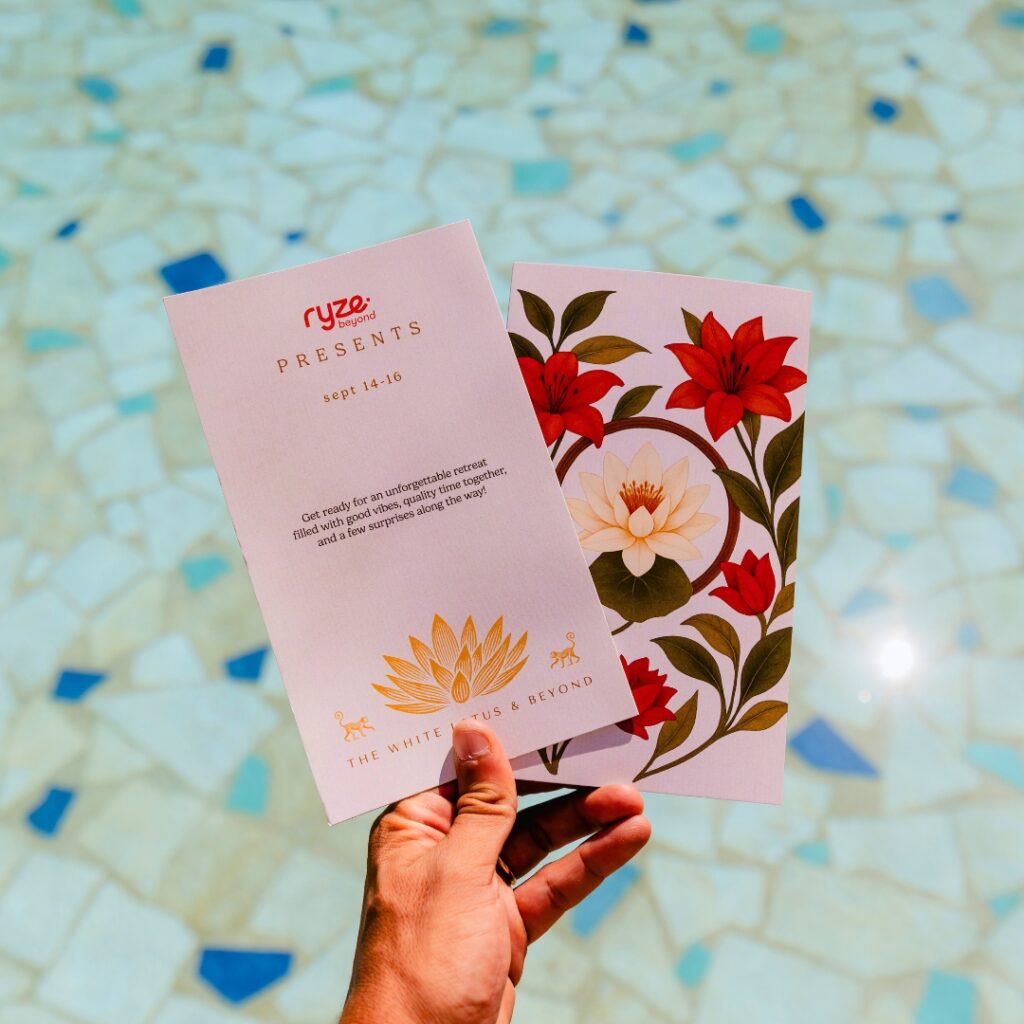
Because the most valuable company experiences are rarely defined by where they happen, what they cost, or how many people attend. They're defined by what changes because of them. This guide was built from years of designing retreats, leadership gatherings, offsites, conferences, team experiences, and company celebrations for organizations including AppsFlyer, Payoneer, Nebius, eToro, Immunai, LSports, Ryze Beyond, and many others.
More importantly, it was built around a belief: The things that move organizations forward – trust, belonging, alignment, culture, relationships, and momentum – are often the hardest things to build intentionally. Corporate experiences are one of the few places where those things become tangible. This Hub exists to explore how.
And Why Most Organizations Need One
A company retreat is one of the few opportunities an organization has to step outside its default operating system. Away from meetings, deadlines, Slack messages, and the constant pressure to keep moving, it creates space for something that becomes surprisingly difficult as companies grow: meaningful time together. Not as departments, functions, or job titles, but as people building something together. That's what makes retreats different from almost every other corporate experience. They're not simply about getting away from the office. They're about creating the conditions for trust, connection, belonging, alignment, and momentum to grow faster than they can during everyday work.
The most successful retreats start with a simple question: what are we trying to move forward? Sometimes the goal is to strengthen relationships across teams. Sometimes it's to restore energy after an intense period. Sometimes it's to celebrate a milestone, create clarity around what's next, or help a growing company feel like one company again. When that intention becomes clear, the retreat stops being a collection of activities and becomes a tool for shaping culture.
The retreats people remember years later are rarely remembered because of the hotel, the destination, or the agenda. They're remembered because of the conversations that happened, the relationships that deepened, the trust that was built, and the feeling that something shifted. That's the real value of a company retreat. Not what happened during it, but what became possible because of it.
Three principles tend to separate retreats that create lasting impact from those that are quickly forgotten. First, start with intention. "Let's do something fun" is a condition, not a strategy. The real question is what needs to happen between people, and what should be different when everyone returns. Second, design moments, not activities. People rarely remember schedules. They remember conversations, breakthroughs, and unexpected connections. Finally, leave room for what can't be planned. The best retreats don't fill every minute. They create space for the moments that matter most: the late-night conversation, the walk between sessions, or the unexpected connection that never would have happened in the office.
Before planning begins, it helps to answer a few simple questions. How large is the group? What has happened recently that deserves to be celebrated, acknowledged, or addressed? What does the team need most right now: recovery, energy, connection, clarity, or momentum? What is the realistic budget, and how much time can people step away from day-to-day work? The answers shape everything that follows, from the destination and format to the experience itself.
As a general rule, domestic retreats should begin planning three to four months in advance, while international retreats typically require five to eight months and sometimes longer for larger groups or destinations with limited availability. The earlier you begin, the more options you have, the better the pricing becomes, and the easier it is to focus on the experience itself rather than racing to assemble it. The quality of the process and the quality of the retreat tend to improve together.
Before You Start Planning
?What Does The Group Actually Need
Is this a single team, several teams, or the entire company? What has happened recently that deserves to be celebrated, balanced, or addressed? What pace does the team need right now – stillness and recovery, adrenaline and energy, strategic thinking, or simple joy? What is the realistic per-person budget, and how many days can people step away from the office? The answers to these questions shape everything that follows, from the location and format to the experience itself.
?How far in advance should I plan a company retreat
A domestic company retreat requires at least three to four months of lead time, primarily because of venue and vendor availability. An international company retreat requires five to eight months – sometimes more for large companies or destinations with limited infrastructure.
The rule is simple: the earlier you start, the more options you have, the better the pricing, and the lower the stress. The quality of the experience and the quality of the process both rise accordingly.
A Strategy Decision Disguised as a Travel Decision
When a company decides to take its retreat abroad, the message reaches employees long before they board a plane. Not "we found a beautiful destination." Not "we booked a great hotel." The message is much simpler: You're worth a serious investment.
That signal alone makes international retreats one of the most powerful Employee Experience tools available to organizations today. But the real value of an international retreat has very little to do with travel. Distance changes people. It pulls them out of routines, habits, expectations, and the invisible patterns that shape everyday work. It creates the kind of separation that is difficult to achieve at home, no matter how beautiful the venue or how ambitious the agenda. People talk differently, They connect differently, They show up differently, And that's usually where the most meaningful things begin to happen.
The Questions That Shape Everything
?What Makes An International Retreat Worth It
Organizations choose international retreats for many different reasons. Some are looking for an experience that simply cannot be recreated at home. Something people will still be referencing at all-hands meetings a year later.
Some need genuine disconnection from the pace of everyday work and the constant expectation of availability. Others are marking a meaningful milestone: a major funding round, a record-breaking year, an acquisition, an IPO, or a significant chapter in the company's story. And increasingly, global organizations use international retreats as an opportunity to bring distributed teams together on neutral ground and create a shared experience that feels bigger than any single office. The question is rarely where to go. The more important question is: What are we trying to make possible?
Stronger relationships. A deeper sense of belonging. A celebration worth remembering. Clarity before the next stage of growth. The clearer the intention, the easier it becomes to design an experience that serves it.
?How Do You Choose The Right Destination
The best destinations are rarely chosen because they're popular. They're chosen because they fit the people and the purpose. Trip length, budget, flight accessibility, seasonality, company size, team dynamics, and operational complexity all play a role. A destination that works beautifully for a 30-person startup may be entirely wrong for a company of 300. The character of the destination matters just as much. Some places bring energy, movement, nightlife, and stimulation. Others create space, stillness, perspective, and meaningful disconnection. Some are designed for scale. Others work best for smaller, more intimate groups.
Western Europe remains the most reliable choice for many organizations. Portugal, Spain, Greece, and Italy combine accessibility, culture, food, climate, and event infrastructure in a way that consistently works across a wide range of formats and group sizes.
Eastern Europe offers a different kind of value. Cities like Prague, Budapest, and Dubrovnik deliver strong experiences, distinctive character, and a feeling that is often less predictable than the traditional routes.
Asia creates an entirely different rhythm. Destinations such as Thailand, Japan, and Bali work best for longer journeys, deeper cultural immersion, and groups looking for a more transformative experience.
Africa and island destinations such as Kenya, Mauritius, and the Maldives create something else altogether: space. Space to disconnect, reflect, and experience a complete departure from everyday life. These destinations are often best suited for premium experiences, smaller groups, or exceptional moments in a company's journey.
The goal is never to find the most popular destination. It's to find the destination that gives the experience the greatest chance of succeeding.
?What Is A DMC - And Why Does It Matter
A DMC, or Destination Management Company, is one of the most important partners behind any successful international retreat. Unlike a travel agency, a DMC operates on the ground. They know the venues, suppliers, transportation networks, regulations, cultural nuances, and realities of the destination in ways no remote team can.
When something unexpected happens at 3:00 a.m. in Greece, the DMC is the person answering the phone. The best DMCs don't simply solve problems. They prevent them. They also open doors to experiences, locations, and local partnerships that would otherwise remain invisible.
That's why one of the smartest questions you can ask a production company is simple: Who are your local partners, and how well do you know this destination? Experience in a destination is rarely theoretical. It is built group by group, challenge by challenge, year after year.
?What Full Production Really Means
Far more than most people expect. A successful international corporate retreat begins months before anyone arrives at the airport. It includes destination strategy, venue sourcing, hotel negotiations, transportation planning, concept development, experience design, budget management, local supplier coordination, risk management, insurance, contingency planning, and on-the-ground execution. Perhaps most importantly, it includes physical presence. International retreats are not managed from a laptop thousands of miles away. They are managed in real time, on location, by people who understand every moving part of the experience and can solve problems before anyone notices they existed.
?What Is A Realistic Budget
For most organizations, a realistic all-in budget for a three-to-five-day international retreat falls somewhere between $5,000 and $10,000 per participant, depending on destination, accommodation level, program complexity, and group size.
Shorter retreats to destinations such as Greece or Cyprus typically sit at the lower end of the range. Longer journeys to destinations such as Japan, Thailand, or North America generally require larger budgets.
The expenses organizations most frequently underestimate are rarely the obvious ones: Visas, Insurance, Ground transportation, Branding, Production, Entertainment, Technical infrastructure, Contingency planning.
The hundreds of small details that make the difference between an experience that feels effortless and one that feels improvised. Because ultimately, the goal isn't simply to get people somewhere. It's to create an experience worth bringing them there for.
Offsite vs Retreat: Same Category, Different Purpose
The terms Offsite and Retreat are often used interchangeably. In practice, they serve different purposes – and that distinction shapes every decision that follows.
An offsite is any meeting that takes place outside the office. It can be a half-day strategy session in Tel Aviv or a week in Portugal. The location changes. The purpose is usually focused work: thinking, planning, alignment, and decision-making. A retreat is different. A retreat is designed to create space for something that everyday work rarely allows: deeper connection, reflection, renewal, perspective, or trust. Every retreat is an offsite. Not every offsite is a retreat. The difference isn't logistical. It's intentional. An offsite built around strategy requires working sessions, structured agendas, and clear outcomes. A retreat designed to strengthen culture requires conversations, shared experiences, and enough space for people to interact beyond their roles. The format matters less than the question behind it. What are we trying to make possible?
?So What's The Real Difference
Leadership Retreats: Beyond The Boardroom
As organizations grow, complexity grows with them. Decisions become heavier. Teams become larger. Priorities multiply. Even when everyone is moving in the same direction, small gaps can begin to appear in how leaders interpret reality, make decisions, and think about the future.
Leadership Retreats exist to close those gaps. Their purpose is to create something increasingly rare inside growing companies: the space to think together. The most valuable leadership retreats combine strategic work, honest conversation, and time away from the everyday operating rhythm. They create room for leaders to step outside their titles, reconnect as people, challenge assumptions, and build shared clarity around what comes next.
They're particularly valuable during periods of growth, organizational change, significant hiring, annual planning, or any moment when the company needs more alignment, trust, and momentum than day-to-day work can provide.
SKOs: Building Momentum Before The Year Begins
Few internal experiences have more influence on company performance than a well-designed Sales Kickoff. At its core, an SKO exists to align the sales organization around strategy, priorities, goals, and opportunities for the year ahead. But the best SKOs do something more important. They create belief, Belief in the strategy, Belief in the product, Belief in the team, Belief in what's possible.
The difference between an SKO that creates momentum and one that's forgotten a week later is rarely the content itself. More often, it's the experience surrounding it. The strongest SKOs leave people feeling prepared, energized, connected, and ready to move.
Offsites: Creating Clarity
There are moments when an organization's biggest challenge isn't execution. It's perspective. The ability to step back, see the bigger picture, challenge assumptions, and create alignment around what happens next. That's where offsites create their greatest value. The most successful offsites aren't measured by how many slides were presented or how many hours were spent in workshops. They're measured by the quality of the conversations they create and the clarity people leave with. Because better decisions rarely happen between calendar invites. They happen when people finally have the space to think.
Employee Experience: The Moments People Remember
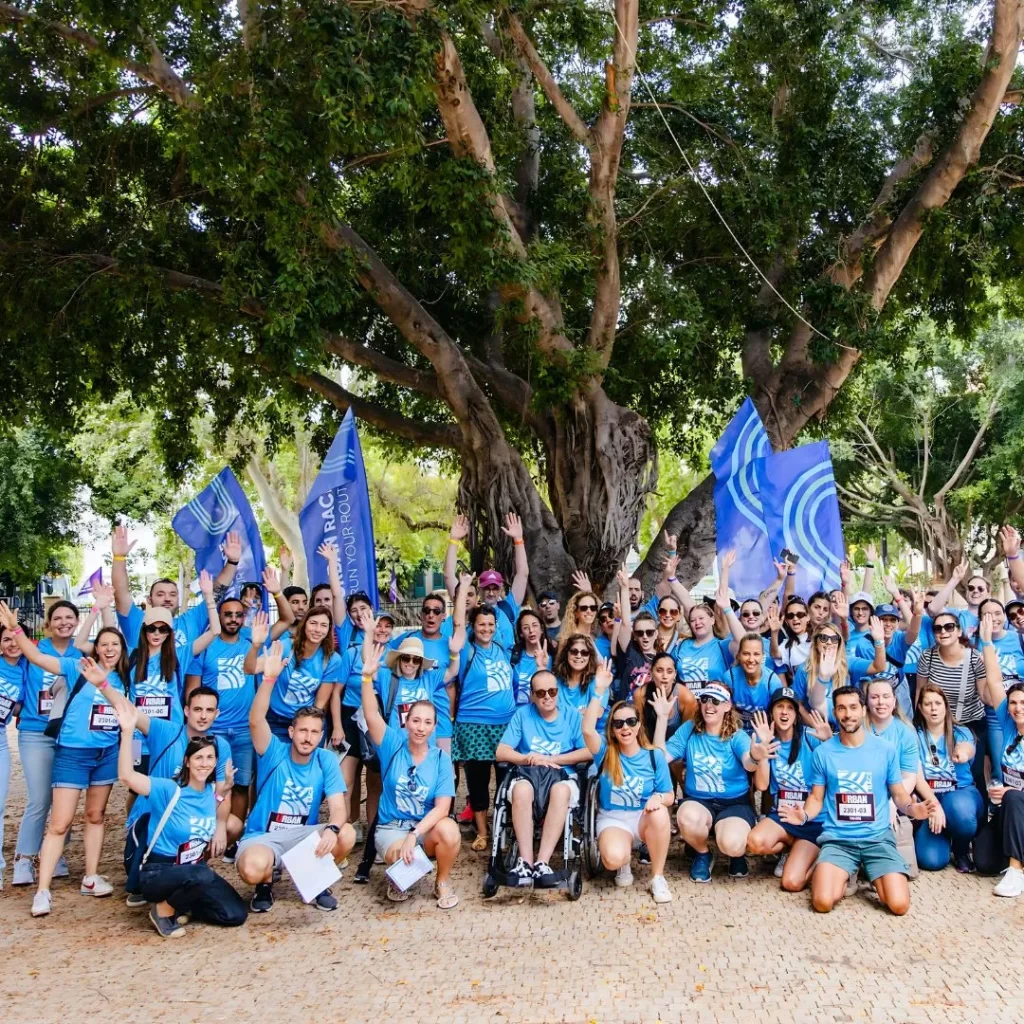
Employee Experience is often discussed through policies, benefits, and processes. In reality, it's built through moments. The moment a new employee feels they genuinely belong. The moment a manager creates trust. The moment someone understands where the company is heading. The moment colleagues become something more than people sharing a Slack channel. While organizations tend to focus on systems and structures, employees usually remember something much simpler: how they felt. They remember the retreat where they met people they had never worked with before, the offsite that changed how they saw the business, the conference where the company's mission finally felt real, or the evening they laughed until it hurt. These are the moments that create connection. Connection builds culture. And culture shapes almost everything that follows.
Many organizations invest significant effort in measuring Employee Engagement. But engagement is usually the outcome, not the cause. The data tells an interesting story. According to Gallup's global research, only 21% of employees describe themselves as engaged at work. At the same time, Edelman's Trust Barometer found that 76% of people trust their employer more than governments, media, or other institutions. That gap matters because it suggests organizations already possess something incredibly valuable: trust. The challenge is transforming that trust into connection, belonging, ownership, and participation. This is where shared experiences become powerful. Engagement cannot be demanded. It emerges when people feel connected to the people around them, the mission they're working toward, and the organization they're helping build. It's difficult to ask people to care deeply about something they never truly felt part of. The strongest organizations understand this. They don't focus only on measuring engagement. They invest in creating the conditions that make engagement possible.
One of the central principles of The Pinch Methodology is the understanding that not every moment in an experience carries the same weight. People do not remember events. They remember moments – the ones where something shifted: a moment of connection, inspiration, pride, a realization, genuine laughter, unexpected vulnerability. An event that lasts two or three days is often remembered entirely because of a handful of those moments. That is why building a meaningful experience does not begin with a list of activities. It begins by identifying the moments you want people to carry with them – and building the experience around the conditions that allow those moments to happen.
The difference between a successful event and a meaningful experience is the ability to design the conditions that allow the moments worth keeping.
As companies grow, a gap can open between what they say and what people feel inside them. The values are still there. The story is on the website. But it has become hard to feel them. Brand Culture Experiences™ are the intersection where brand, culture, and people meet in the real world – where values become something that can be seen, felt, and lived. They are not decorative. They are the moments when organizational identity becomes tangible. The test Pinch applies to every experience it builds: could this experience have belonged to a different company? If the answer is no – it is a Brand Culture Experience.
When The Experience Needs To Feel Like The Company Itself
Tech companies move differently. They scale quickly, evolve constantly, and operate in environments where change is part of everyday life. The people who make up these organizations are surrounded by high standards, thoughtful products, and constant problem-solving. They know when something was built with intention. And they know when it wasn't. That's why producing events for tech companies isn't just about creating bigger experiences. It's about creating more specific ones.
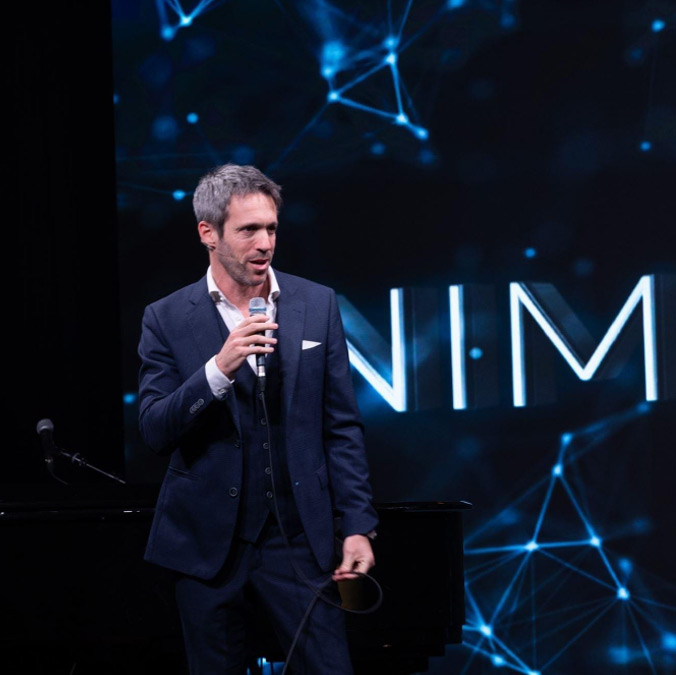
The event is never the story. The company is. Its people. Its culture. Its ambitions. The stage it's currently going through. The most meaningful experiences are the ones that could not belong to any other organization. They reflect who the company is, what its people care about, and what it is trying to move forward right now. The challenge is balancing two things that matter equally. On one side, people want to leave with something: a new perspective, a clearer direction, a meaningful conversation, a decision, or a breakthrough. On the other, these experiences create one of the rare moments when people are together outside meetings, screens, and Slack notifications. The companies that do this well don't separate content from connection. They design both together.
Because ultimately, the value of a company event isn't measured by what happened during it. It's measured by what people felt, the relationships that grew stronger, and what became possible because of it.
The most important question isn't what events they've produced. It's how they think.
Do they try to understand the organization before proposing ideas? Do they ask questions about people, culture, and business goals? Do they understand how to translate intention into experience? Because ultimately, nobody is really looking for an event. They're looking for connection, Momentum, Trust, Belonging, Clarity. The experience is simply the vehicle.
That's why the most valuable skill a production company can have isn't managing suppliers, building timelines, or finding venues. It's understanding what an organization needs to feel right now – and creating the conditions that make it possible. The best experiences don't feel like something that was added to a company. They feel like a natural extension of who the company already is
Pinch designs and produces the full spectrum of experiences for technology organizations, from international company retreats and leadership gatherings to Sales Kickoffs, hackathons, annual events, conferences, team experiences, and all-company celebrations. Some experiences are designed to celebrate achievement. Others to create clarity. Some help people reconnect to the product they're building. Others help them reconnect to one another.
Summer events, holiday celebrations, product launches, leadership retreats, community gatherings, and company offsites may look completely different on the surface, but they all begin with the same question: What do we want to make possible? Because formats are simply tools. The real work is understanding what the organization needs, and designing the experience that helps move it forward.
Where People, Ideas, and Opportunities Meet in One Room
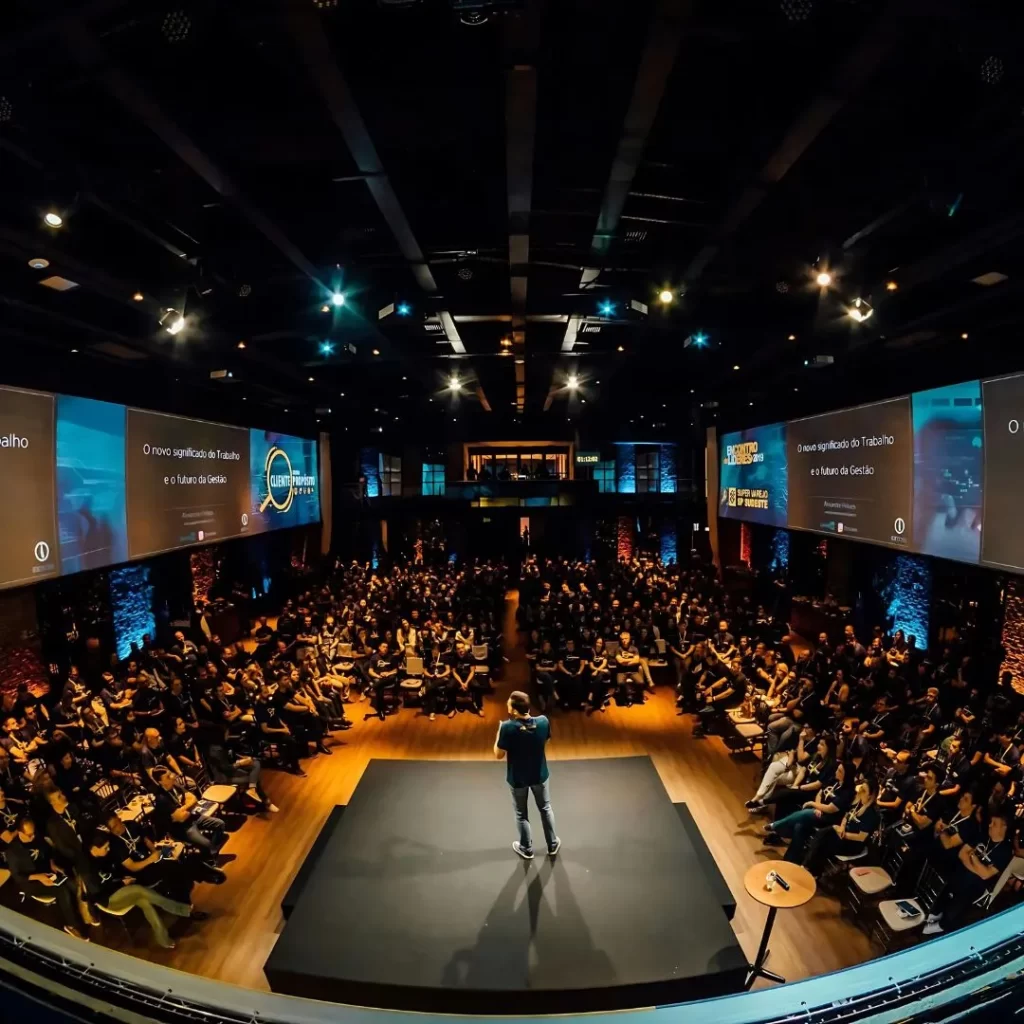
A business conference is much more than a series of sessions and keynotes on a stage. It brings together people arriving with different goals: to learn something new, to meet someone new, to understand where the market is going, to find inspiration, or simply to feel part of the conversation shaping their field. That is exactly why the real challenge in business conference production is not logistical. It is human. How do you create an experience that generates value for hundreds of different people – and still feels like one coherent story?
Successful conferences are measured by the quality of the connections formed within them. By the new ideas that are born. By the conversations that open. By the relationships that continue afterward. Conference planning therefore begins long before choosing a venue, a stage, or a lineup. It begins with understanding the audience, the goals, and the experience you want to create. From there, the content, the pace, the attendee journey, the networking structure, the technology, and all the details that turn a day on the calendar into something people genuinely remember.
International conferences add a layer of complexity – and a layer of opportunity. When attendees, speakers, and partners arrive from different countries, the conference becomes a meeting of communities, cultures, and perspectives.
Managing international registration, translation, visas, working with local venues and vendors, and coordinating across time zones are all part of the challenge. But ultimately the goal stays the same: to create a space where the right people can meet and achieve what they came for. A room where the right ideas can connect, and the right conversations can begin.
Event Strategy: The Work Before The Work
Many companies start with the same question: "What should we do this year?" Pinch typically starts with a different one: ״What do we want to happen afterward?״ Because the format itself is almost never the point. A team day, an international retreat, a conference, an SKO, a company event – these are vehicles. The important question is what the organization is trying to enable through them. To strengthen relationships? To celebrate achievement? To create clarity? To restore energy? To reconnect people to what they are building together?
This is why strategy comes before planning. When the intention is clear, every other decision becomes easier: the right format, the right audience, the right pace, the experience that best serves the purpose. An event without strategy is primarily a collection of decisions. An experience with strategy is a complete system working together to create intended impact.
Choosing a Corporate Event Production Company
Choosing a production company is about much more than logistics, suppliers, budgets, or execution. Ultimately, you're choosing a partner who will shape one of the most meaningful intersections between your organization's people, culture, and ambitions. That's why the most important question isn't what they know how to produce, but how they think. Do they try to understand the organization before proposing ideas? Do they ask questions about the people, the culture, and the goals behind the experience? Do they understand how to translate intention into something people can actually feel? Because in reality, nobody is looking for an event. They're looking for stronger relationships, more trust, a deeper sense of belonging, renewed momentum, and greater clarity about what's next.
The experience is simply the vehicle. The most valuable production partners understand this. They know that meaningful experiences don't begin with a destination, a concept, or a run-of-show. They begin with listening. With understanding what the organization is trying to move forward, what its people need right now, and what should feel different when the experience is over. When that understanding exists, everything else becomes easier. The ideas become sharper, the decisions become clearer, and the experience starts to feel like something it should always feel like: not an event that was added to the company, but a natural extension of who the company already is.
Measuring What Actually Changed
Satisfaction surveys from the HR department are not a measure of success. They are closer to a threshold condition. People can leave a retreat satisfied without anything in the organization having shifted – and that happens more often than anyone likes to admit. The real measure of a successful experience is what changed afterward.
Did cross-team collaboration improve? Did people who did not know each other form connections that now benefit the company? Did the team return with energy that lasted, or did it run out by Wednesday of the following week?
™Experiential ROI
Experiential ROI™ is the framework developed by Pinch – as part of its methodology – to measure the real impact of corporate experiences beyond satisfaction surveys. To measure it correctly, you need to define what "before" and "after" look like before the event begins. This requires a strategic conversation at the brief stage – not questions asked in retrospect. Experiences that were never given clear goals are almost impossible to evaluate honestly.
Return on Experience (ROX)
Return on Experience (ROX) is a framework used in international contexts to measure how much organizational value is created by investment in experiences. ROX includes three dimensions: Retention – do employees who have strong shared experiences stay longer? Productivity – do teams who have experienced things together perform better? Employer Brand – do employees talk about their company experiences to people outside it? Companies that measure ROX over time find that well-designed events return their cost many times over.















™The Pinch Methodology
The Framework Behind Every Experience We Design
Every company has something that makes it distinct. A particular combination of people, culture, aspiration, values, and energy. Something that is hard to explain in a presentation, but easy to feel when you encounter it. As organizations grow, the challenge becomes not just preserving that identity – but enabling people to feel it. To experience it. That is exactly why Pinch built its working methodology: not as a model for planning events, but as a way of thinking about experiences.
A way that begins with understanding who the company is, what it is trying to build, and what its people need right now. From there, every decision gets context. Every moment gets meaning. Every experience becomes an opportunity to strengthen culture, create connections, and move something forward. We do not believe people remember events. We believe they remember how something made them feel, what it connected them to, and what it made possible afterward. The Pinch Methodology™ was built to create exactly that.
The Pinch Methodology
™Feeling First
Before any decision about format, destination, budget, or program – we ask three questions: What do we want people to feel? What impact should this create? And how will we know it happened?
When those answers are clear, every other decision follows naturally. Feeling First is not a soft starting point. It is the most precise strategic tool in experience design.
™Experience Design
Once intention is clear, the experience can be designed – not as a collection of activities, but as a journey. A journey with pace, energy, transitions, and moments that lead to each other.
We do not only ask what will happen at each stage. We ask how each stage should make people feel, and what it should make possible in what comes next. Meaningful experiences are not built from isolated moments. They are built from the sequence that connects them.
™Moments That Matter
People do not remember full days. They remember moments: a conversation that surprised them, a moment of pride, a connection that formed, a realization that landed exactly right. This is why we do not try to make every moment special. We build the conditions for the moments that matter to occur – and we build the experience around them.
™Experiential ROI
The real value of an experience is not found in what happened during it. It is found in what became possible because of it. That is why success is not measured only by attendance or satisfaction. It is measured by the impact the experience continues to generate long after it ends.
™Brand Culture Experience
Work is becoming more digital. Teams are becoming more distributed. More of our daily interactions happen through screens. But as technology becomes capable of more, the value of what it still cannot produce rises: trust, belonging, connection, meaning, and the feeling of building something together.
These are the things that hold culture over time. And these are precisely the things that shared experiences know how to strengthen.
This is why more and more organizations have begun to see retreats, offsites, conferences, and company events as much more than events. They see them as opportunities to connect people, strengthen relationships, create clarity, and build momentum.
People do not remember organizations through processes or presentations. They remember them through the moments when they felt part of something.
MOMENTUM
Great companies are always in motion. Toward a raise. Toward a launch. Toward a new year. Inside change, inside hyper-growth, inside a hard stretch. The challenge is that people do not always move at the same pace. Sometimes the vision has already advanced, but the connections have not caught up. Sometimes the strategy is clear, but the energy has been depleted. Sometimes all the ingredients are there – but something still is not connecting.
This is why shared experiences matter so much. They allow organizations to stop for a moment in order to keep moving better – not as an end in themselves, but as the mechanism that reconnects people to the direction, to each other, and to the reason the work matters.
Before You Ask
?What does an international company retreat cost per person
A realistic all-in budget ranges from $5,000 to $10,000+ per person for a three-to-five day experience, depending on destination, accommodation level, and program. Close destinations like Greece or Cyprus typically sit at the lower end. Longer trips to Thailand, Japan, or the US require higher budgets. Budget items frequently missed include visas, insurance, local transportation, flown-in artists or speakers, branding, technical equipment, and a buffer for the unexpected.
?How far in advance should you plan an international company retreat
A domestic company retreat: at least three to four months of lead time. An international company retreat: typically five to eight months, sometimes more for large companies or destinations with limited supply. Earlier start equals more options, better pricing, and a calmer process. The result is not just cost savings – it is a better experience and a more manageable production.
?What is the difference between an Offsite, a Retreat, and a Company Retreat
A company retreat is the broad term for any organizational experience outside the regular work context. An offsite is any meeting held outside the office – from a few hours to several days. A retreat is a type of offsite designed to enable something specific: a pause, connection, deeper thinking, renewal. Every retreat is an offsite. Not every offsite is a retreat. The difference is in the intention, not the logistics.
?What is a DMC and when do you need one
A DMC (Destination Management Company) is a local partner on the ground at the destination, specializing in managing and producing experiences in that specific location. Unlike a travel agency, a DMC manages local vendors, logistics, and on-site operations – from transfers and venues to activities, meals, and special events. For international company retreats, a strong DMC is almost always a critical factor in the success of the project. When evaluating production companies, always ask which DMCs they work with at the specific destination, and how many corporate retreats they have actually produced there.
?How do you know a production company truly understands tech companies
To produce a meaningful event for a tech company, understanding event production is not enough – you need to understand the organization. The people, the culture, the challenges, and the phase the company is in right now. Employees at tech companies recognize generic experiences quickly. The most successful events are the ones that feel like a natural extension of the company's culture, people, and DNA. They combine content and experience, planned moments and moments that emerge naturally, and what happens during the event with what stays after it.
?What are Brand Culture Experiences
Every organization has an identity: a story, an energy, a particular way of seeing the world. As companies grow, a gap can sometimes form between that identity and what people actually feel day to day inside the company. Brand Culture Experiences™ are the intersection point where brand, culture, and people meet in the real world – where values become something visible, felt, and lived. The Pinch test: could this event have belonged to a different company? If the answer is no – it is a Brand Culture Experience.
?How do you choose a production company for an international company retreat
Portfolio and price are only the starting point. The questions that actually matter: Does the company have real experience in the specific destination? Does it work with strong local vendors? Does it start from organizational goals before proposing solutions? Is there a full production team physically on the ground for the entire retreat? Does it have proven experience managing budgets, vendors, and risk in a foreign country? Before deciding, speak to a client who produced a retreat with them at that destination. Real field experience is worth more than anything else.
?What is Experiential ROI and how do you measure an event's success
Experiential ROI™ measures the real impact of a corporate experience beyond satisfaction surveys. The right approach: define what "before" and "after" look like before the event begins – improvement in cross-team collaboration, new connections between employees, energy levels, retention. Events that were never given clear goals are nearly impossible to evaluate honestly afterward.
?What is Feeling First
Feeling First is the opening principle of ™The Pinch Methodology. Before any decision is made, three questions are asked: What do we want people to feel? What should this achieve? And how will we know it happened? When those answers are clear, all subsequent decisions follow from them naturally.
?How do you produce a successful event for a tech company
Start with what the people and the organization actually need right now. Is the goal to strengthen relationships? To celebrate a meaningful achievement? To create new energy? To connect employees to the company's vision? To build alignment around the next phase? Once that answer is clear, every other decision becomes easier. Tech companies are fast to recognize generic experiences. The success of a corporate event for a tech company is not measured by the venue or the activity list – it is measured by how people return from it: more connected, more proud, feeling part of something larger than themselves.